
Preparatory work for the Lower Thames Crossing is underway in Kent and Essex, marking a new stage in a project that would create another road link beneath the river.
National Highways announced the start of early works on 5 March. The activity comes ahead of major construction and tunnelling, which the organisation says will begin in 2028.
For communities around Gravesend and the wider north Kent road network, the distinction matters: work is becoming visible, but a new crossing is still some way from carrying traffic.
What the early work involves
National Highways says the preparatory programme will protect utility supplies, investigate ground conditions and address heritage and wildlife requirements before the main construction phase.
In Essex, around 50 archaeologists are working near Coalhouse Fort. Investigations into soil, rock and groundwater will also inform the detailed design of foundations and other structures.
The environmental programme includes creating around 1,000 hectares of habitat early enough for it to establish before major work advances.
Preparing a large route involves several different activities, which may happen at different places and times. An archaeological investigation, a utility diversion and a construction compound are therefore distinct parts of the programme, even when all are described as early works.
Where the crossing would go
The government granted development consent for the scheme in March 2025. Its published description sets out approximately 14.5 miles of new road linking the A2/M2 network in Kent with the M25.
The river crossing would consist of separate northbound and southbound tunnels, connecting Kent with Thurrock and Essex.
That route explains why the project matters beyond the immediate tunnel entrances. Its effects would be felt through connections with existing roads as well as through the new section itself.
Development consent and the opening of a road are different milestones. Consent establishes approval for a defined scheme; construction, commissioning and the arrangements for traffic still have to follow.
Information for nearby communities
National Highways is holding a series of community events in March. A parish-council notice identifies sessions at Cascades Leisure Centre in Gravesend on 11 and 25 March and at Bluewater on 31 March.
The advertised topics include ground investigations, archaeology, utility diversions and the locations of work compounds. Residents are also being invited to ask about access routes and working hours.
For someone living close to a work site, that local detail may be more immediately useful than the overall scheme timetable. The questions are where vehicles will travel, when work will take place and which contact should be used if a problem arises.
People following the project should check the information for their particular area rather than assume that every stage affects the entire route in the same way.
What this milestone means
The start of preparatory work moves the scheme beyond a discussion of plans alone. It does not mean that tunnel excavation has begun or that existing congestion will immediately change.
The next useful measures of progress will be completion of individual preparations, confirmation of later construction stages and clear explanations of any local disruption.
For north Kent, the project now has a more visible presence. Keeping the early-works programme separate from the eventual opening date will help residents understand what is happening now and what remains ahead.
Sources: Source 1; Source 2; Source 3.
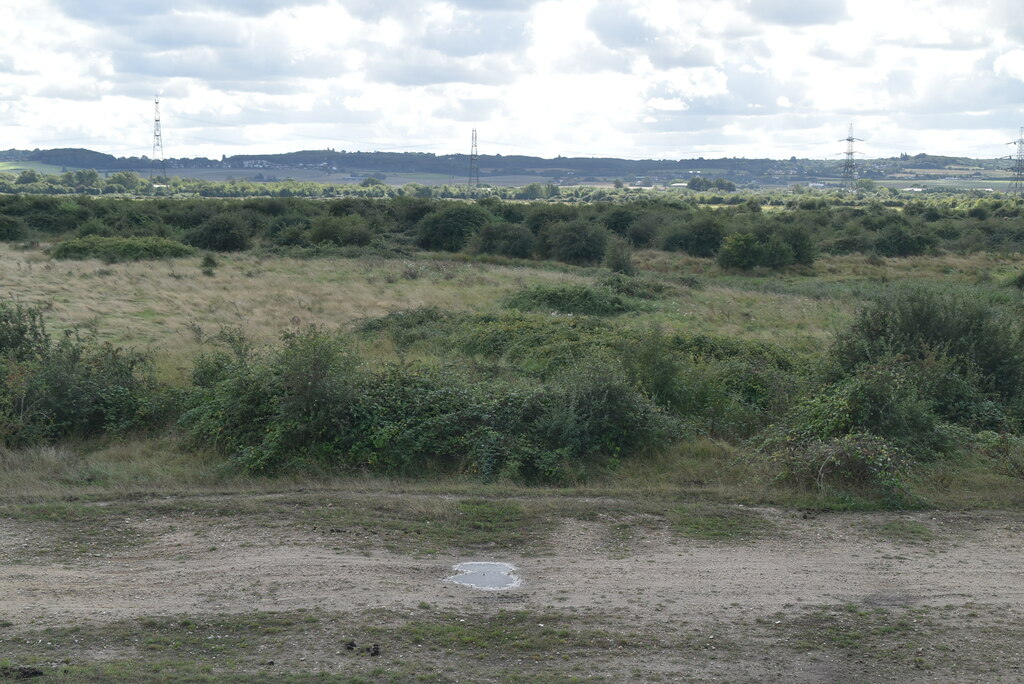
Featured image: Shorne Marshes by N Chadwick . CC BY-SA 2.0. Resized/cropped for website display; the image retains its stated licence. Archive photograph: 2021-09-29. Location/subject illustration; it does not depict the 2026 works, announcement or event.
